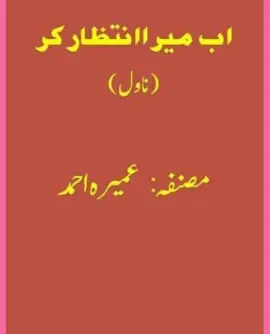
Aab-e-Hayat Novel by Umera Ahmed Free PDF Download

| Novel Name | Aab-e-Hayat |
| Author | Umera Ahmed |
| Original Language | Urdu |
| Main Characters | Salar Sikandar, Imama Hashim, Danyal Sikandar |
| File Type | PDF Download |
| File Size | 22.04 MB |
Aab-e-Hayat Novel is the captivating sequel to Umera Ahmed’s bestselling novel Pir-e-Kamil. Picking up the story of Salar Sikandar and Imamah Hashim, it dives deeper into their personal growth, challenges, and spiritual journey. Blending love, faith, and life lessons, this novel offers readers an inspiring glimpse into the beauty and struggles of living with purpose.
You May Also Like To Read: Pir-e-Kamil Novel
Overview of Aab-e-Hayat Novel
Aab-e-Hayat continues the emotional and spiritual journey of Salar Sikandar and Imama Hashim, characters who won readers’ hearts in Pir-e-Kamil. The story explores their married life, the challenges they face, and how their faith shapes every decision they make. It’s a narrative that blends romance with deep moral and spiritual insights.
Unlike its predecessor, Aab-e-Hayat focuses more on life after the big moments, showing that real tests often come in the quiet, everyday battles. Through thought-provoking events, it highlights the importance of humility, gratitude, and living with purpose in a world full of distractions.
Major Characters in the Novel
Here are the key characters who shape the heart and soul of the story:
- Salar Sikandar: A brilliant and wealthy man whose journey from arrogance to humility is central to the novel.
- Imama Hashim: A strong, patient, and spiritually grounded woman who inspires others through her resilience and faith.
- Danyal Sikandar: Salar and Imama’s son, whose upbringing reflects their values and life lessons.
- Supporting Characters: Friends, family members, and acquaintances who influence the couple’s life and add depth to the story.
Themes and Symbolism
Aab-e-Hayat beautifully weaves themes of love, faith, and personal transformation. It shows how relationships flourish when rooted in trust, respect, and spiritual values. The story also emphasizes the idea that true success lies not in wealth or status but in living a purposeful and ethical life.
The symbolism of “Aab-e-Hayat” or “Water of Life” represents eternal wisdom and the quest for spiritual fulfillment. Through its characters and events, the novel reminds readers that life’s real treasures are found in faith, humility, and the pursuit of truth.
Lessons Learned from Aab-e-Hayat
One of the strongest lessons from Aab-e-Hayat is that real happiness lies in spiritual contentment, not material success. Salar’s journey shows that wealth and intelligence are meaningless without humility and gratitude.
The novel also teaches the power of patience and forgiveness in relationships. Imama’s unwavering strength and ability to forgive highlight the importance of letting go of grudges for the sake of peace and love.
Lastly, it emphasizes the need to live with purpose and contribute positively to society. Through its characters, the story reminds us that every action, big or small, shapes the kind of legacy we leave behind.
Why You Should Read Aab-e-Hayat
Aab-e-Hayat is a must-read for anyone who enjoyed Pir-e-Kamil and wants to see the next chapter in Salar and Imama’s journey. It not only provides closure but also opens new doors of inspiration, faith, and self-discovery.
Even if you haven’t read the prequel, the novel offers a complete story rich with emotional depth and moral lessons. It’s perfect for readers who appreciate meaningful fiction that blends love, spirituality, and the complexities of real life.
You May Also Like To Read: Amar Bail Novel
Conclusion of Aab-e-Hayat Novel
Aab-e-Hayat is an inspiring tale that blends love, faith, and life’s deepest lessons. It takes readers beyond romance, encouraging them to reflect on their own values and choices. With its heartfelt storytelling, Umera Ahmed leaves a message that lingers long after the last page is turned.